By: Pir Azhar U Din
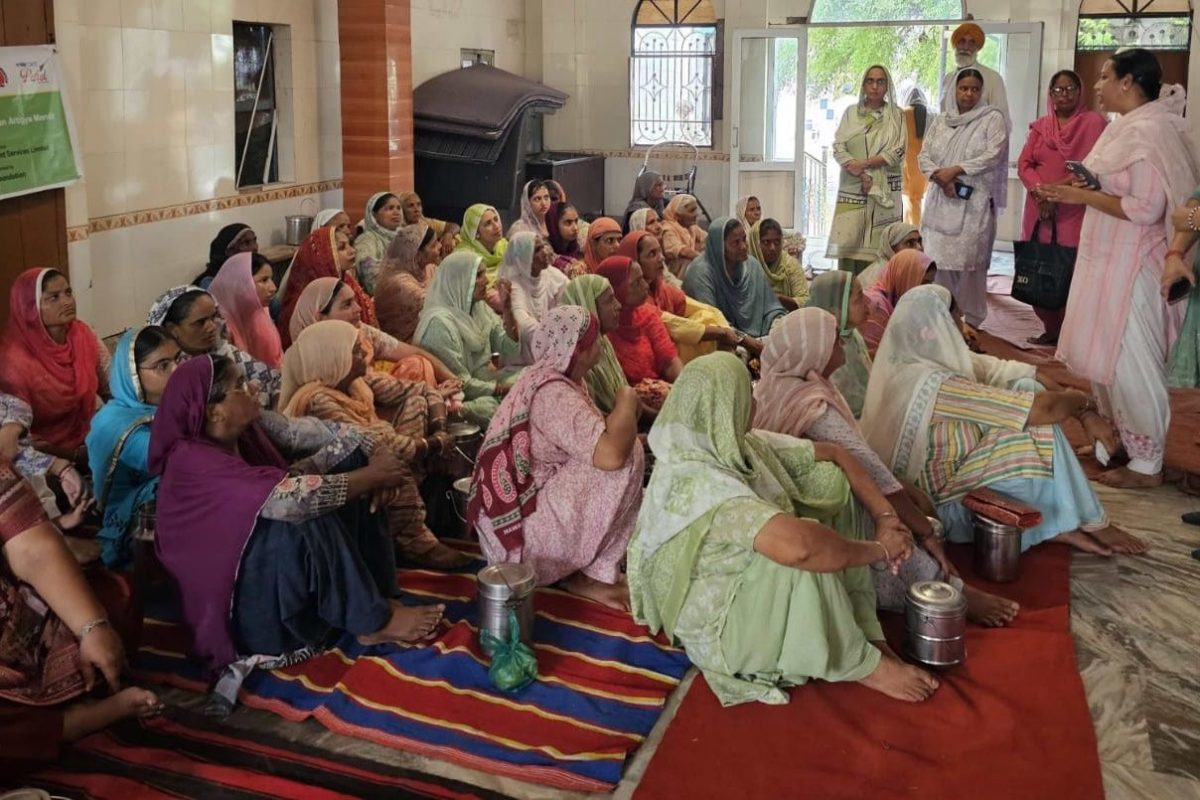
PUNJAB: Over 65% of India’s population lives in rural areas, but healthcare infrastructure and personnel remain disproportionately urban-centric. Punjab’s rural communities, home to ~17.9 million people, face a 20% shortfall in health sub-centres, fewer Primary Health Centres (PHCs) than needed, and a huge gap in Community Health Centres (CHCs). As a result, each rural sub-centre in Punjab serves on average 6,258 people (vs the national norm of 5,000) and each PHC covers 45,000 people (vs norm 30,000). These shortages are compounded by severe workforce gaps – for instance, rural CHCs in Punjab have only 55 specialist doctors against 336 required (over 80% vacancy).
Many facilities also lack basics like electricity and water: in 2023, 299 of Punjab’s 2,857 rural sub-centres had no electric supply and dozens lacked running water. This infrastructure deficit undermines service quality and deters healthcare utilisation, especially among vulnerable groups (women, children, the elderly). It reflects a broader inequity.
Globally, 56% of people in rural areas do not have access to essential health services, contributing to worse health outcomes and avoidable mortality. Bridging these gaps in accessibility is crucial for India’s commitment to Universal Health Coverage (UHC) and health equity.
Telemedicine has emerged as an effective solution to the rural healthcare crisis, by breaking geographical barriers and bringing medical expertise virtually to underserved areas. India’s national telemedicine platform eSanjeevani exemplifies this potential – since launching in 2019, it has facilitated over 34 crore (340 million) consultations as of Feb 2025, connecting remote patients with doctors and specialists.
During the COVID-19 pandemic, telemedicine proved indispensable in maintaining care continuity in remote regions. The Government’s two-pronged eSanjeevani system – AB-HWC (Ayushman Bharat-Health and Wellness Centre) for provider-to-provider consultations via Community Health Officers (CHOs) at rural clinics, and OPD for direct patient-to-doctor online visits – has helped ensure availability, accessibility and affordability of healthcare across India. However, leveraging telehealth at scale also requires robust digital infrastructure, training, and community trust. Studies indicate that without adequate training and protocols, telemedicine referrals can be sub-optimal, and limited digital literacy or connectivity in rural areas remains a barrier. Addressing these challenges is essential to realise telemedicine’s full impact.
Punjab, with relatively high mobile penetration and improving broadband reach, is well-positioned to benefit from telehealth innovations – provided the rural clinics are upgraded with power supply, internet, and skilled staff. This is the context in which Smile Foundation’s telemedicine initiative in Moga district, Punjab, was conceived as a public-private partnership model to strengthen rural primary care delivery.